The Founding Story · القصة
Before It Had a Name
A masjid hallway, a group of boys with nowhere to go, and a teacher young enough to remember. It was suhbah before it was a program.Ihsan Circle did not begin as an organization. It began as a need: a masjid hallway, a Sunday school classroom, a group of boys with nowhere to go, and a teacher still young enough to remember what it felt like to be one of them. What grew from that was not a program first. It was suhbah.
The Gap
I was fifteen when my parents transferred me to an Islamic school. By then I had already memorized the Qur’an under Dr. Masood Ahmed, a gift I owed him, sacred and permanent. But a hafiz is still fifteen years old, and memorization alone does not shelter anyone from eight hours a day in a hallway, a lunchroom, a group of boys deciding together who they wanted to become.
Arlington’s youth work was thin exactly where it mattered most. Teachers rotated through and rarely stayed long enough to learn a name. Programs opened with real excitement and quietly closed a year later. There were good people everywhere. There was rarely a structure sturdy enough to hold a fifteen-year-old who needed more than a weekly lecture and an occasional event.
I didn’t have language for it then. I only knew something was missing, and that the missing thing would follow me for years before I understood what to call it.
The Ride
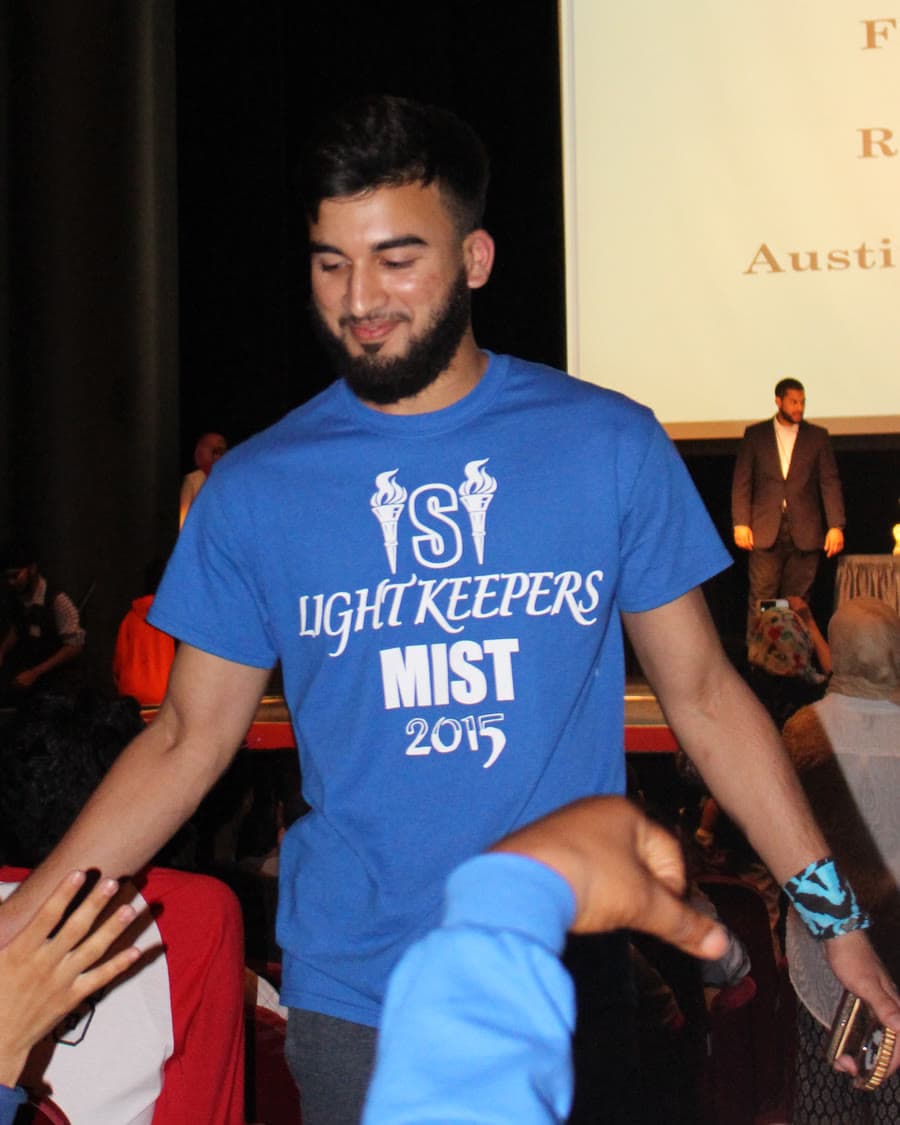
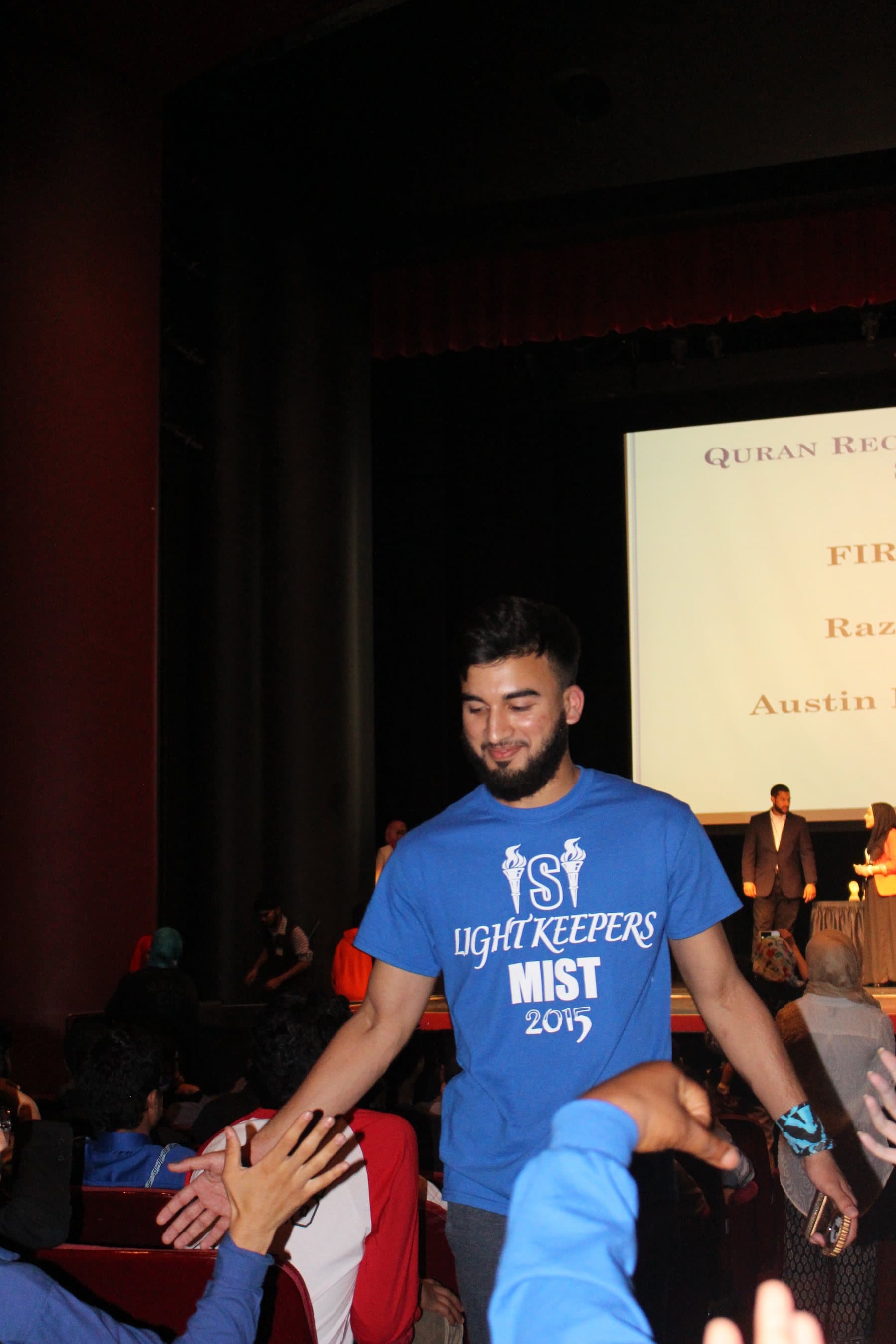
MIST · 2015
At the Islamic School of Irving, Allah placed a car ride in my life that reshaped it. Every morning and every evening, I drove to and from school with Shaykh Hasan Khalil: no classroom, no lecture hall, just two people and a windshield, week after week.
Some teachers instruct from a desk. Some instruct from a minbar. Shaykh Hasan taught from the driver’s seat: how to carry himself in traffic, how to let a silence sit, how a small correction offered gently could reshape a young man faster than a long one delivered sternly. I began to see Islam differently: not a set of rules I had to defend at school, but something that could be lived so naturally it made the people around it want to stand a little straighter.
Within a year I was giving reminders after prayer, helping lead youth service projects, studying privately with anyone willing to take a fifteen-year-old seriously. That seriousness, being treated as though I already carried responsibility, planted something I wouldn’t fully understand for years: it is suhbah, not information, that actually forms a person.
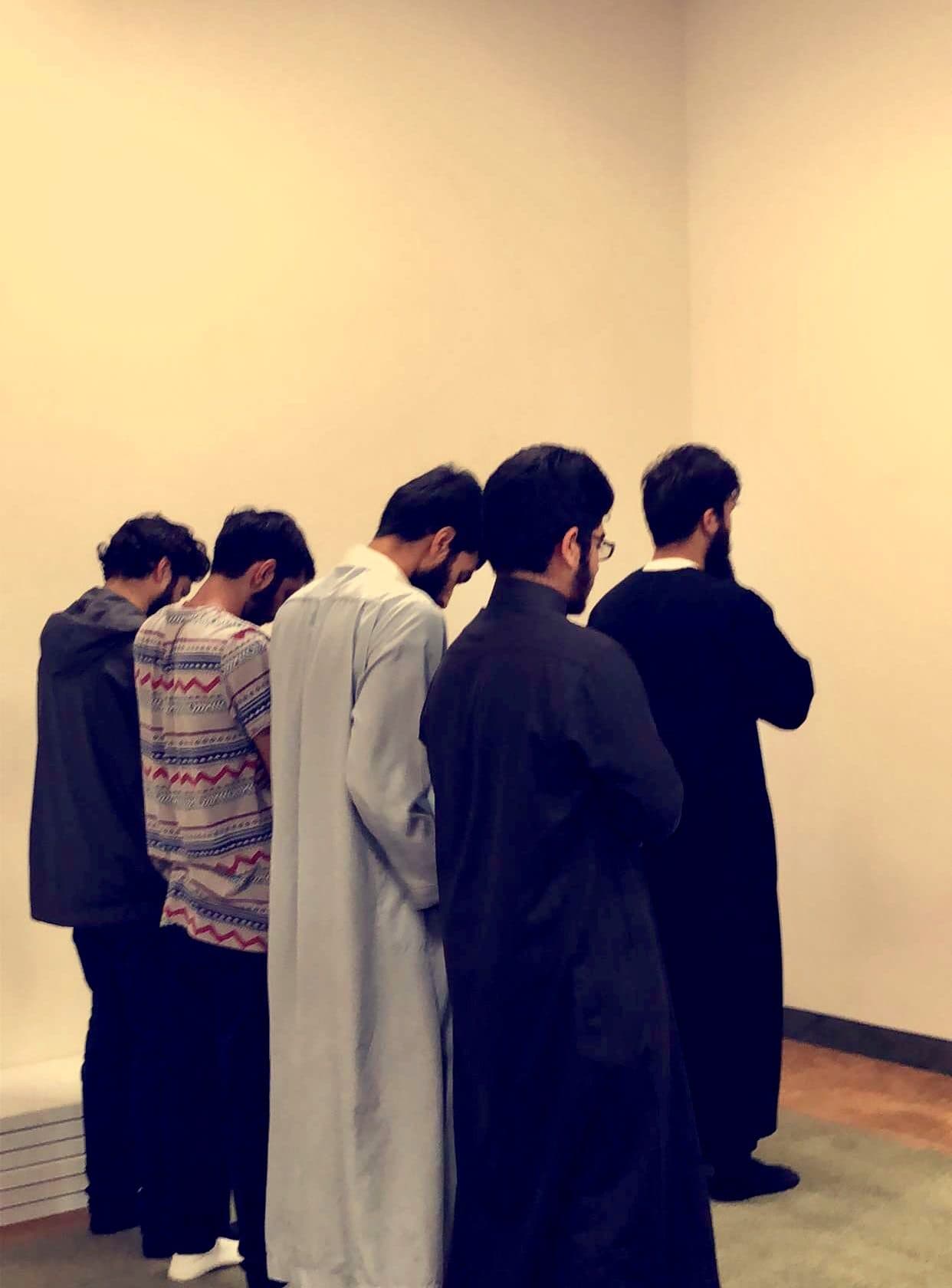
The First Invitation
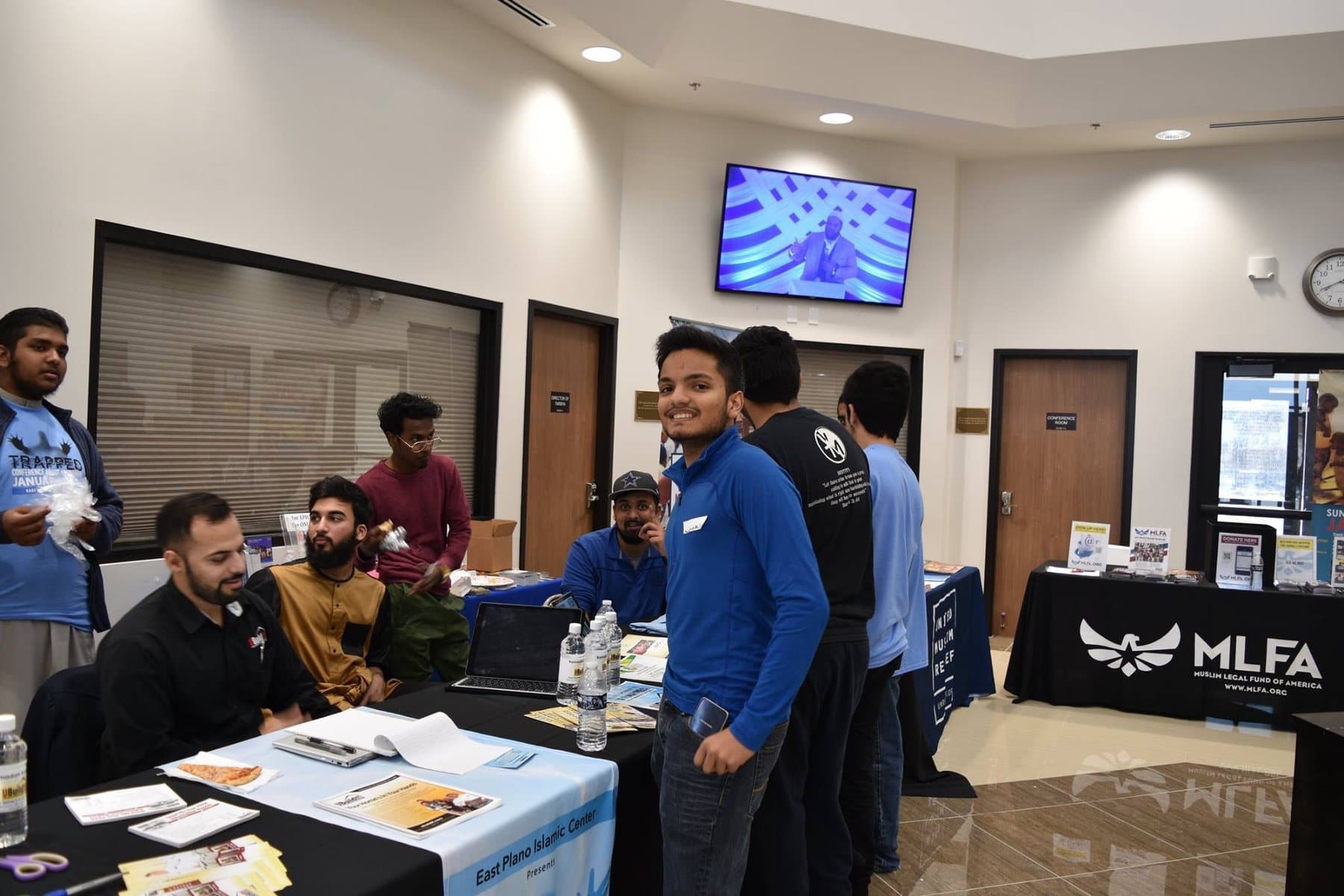
EPIC Masjid · 2018
The first masjid where I completed the Qur’an made me their youth director at sixteen. A khutbah they liked, a couple of events that went well, and suddenly I was the one people looked to. Two years later my family moved to Plano, into one of the largest, most active Muslim communities in the country, and within that same month I found myself leading prayers, giving khutbahs, and running the high school MSA at EPIC Masjid. I was young enough that it should have felt like too much. It mostly felt like a door that kept opening.
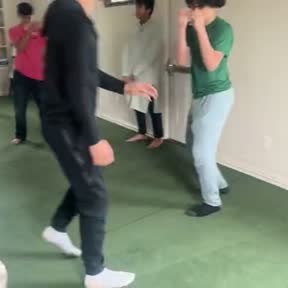
But the moment that actually changed everything wasn’t an appointment. It was an accident of weather. The multipurpose hall was mid-construction, the regular prayer space cramped, and on a rainy evening nearly thirty of us were praying shoulder to shoulder while a group of boys, thirteen and fourteen years old, laughed and wrestled on the staircase by the imam’s office. Their voices carried over everyone’s prayer. No one said anything. So I stood up.
The room went quiet. Two rak’ahs later, the brother running Sunday school, who had been praying just behind me, turned and said, “We need you at the Sunday school.” I was seventeen; they didn’t normally take anyone under eighteen. Ustadh Baajour, who became one of my closest teachers, made an exception anyway.
Eight years later, at a dinner with a group of community elders, the brother who’d first pulled me into that work stood up and said he’d never seen anything like it: “A seventeen-year-old boy keeping in line thirty fourteen-to-sixteen-year-olds, boys no one else could handle, and making them love Islam.” I’ve never known what to do with a sentence like that except hand it back to Allah. I only knew, standing there, that the work had a force of its own now. It would carry me for years.
Beyond Sundays
Two hours on a Sunday was never going to be enough, and I stopped pretending otherwise. The boys needed the class, but they needed the ten minutes after class more: someone to ask an embarrassing question to, someone who noticed a missing face three weeks running, someone who made Islam feel possible in the middle of school and sports and friend groups and ordinary teenage restlessness.
So the work spread in every direction Sunday couldn’t reach: post-Fajr hangouts, late-night events, weekend lessons, community service, workshops on da’wah and Arabic, qiyam nights, outings that had nothing to do with a syllabus and everything to do with why the syllabus mattered. Within EPIC’s YM Neighbornet alone the circle grew to more than a hundred young men walking together, and the method never changed: the same faces, the same guide, every single week, for as long as it took to matter.
It carried me straight through the rest of my time in Plano. It never really stopped moving.
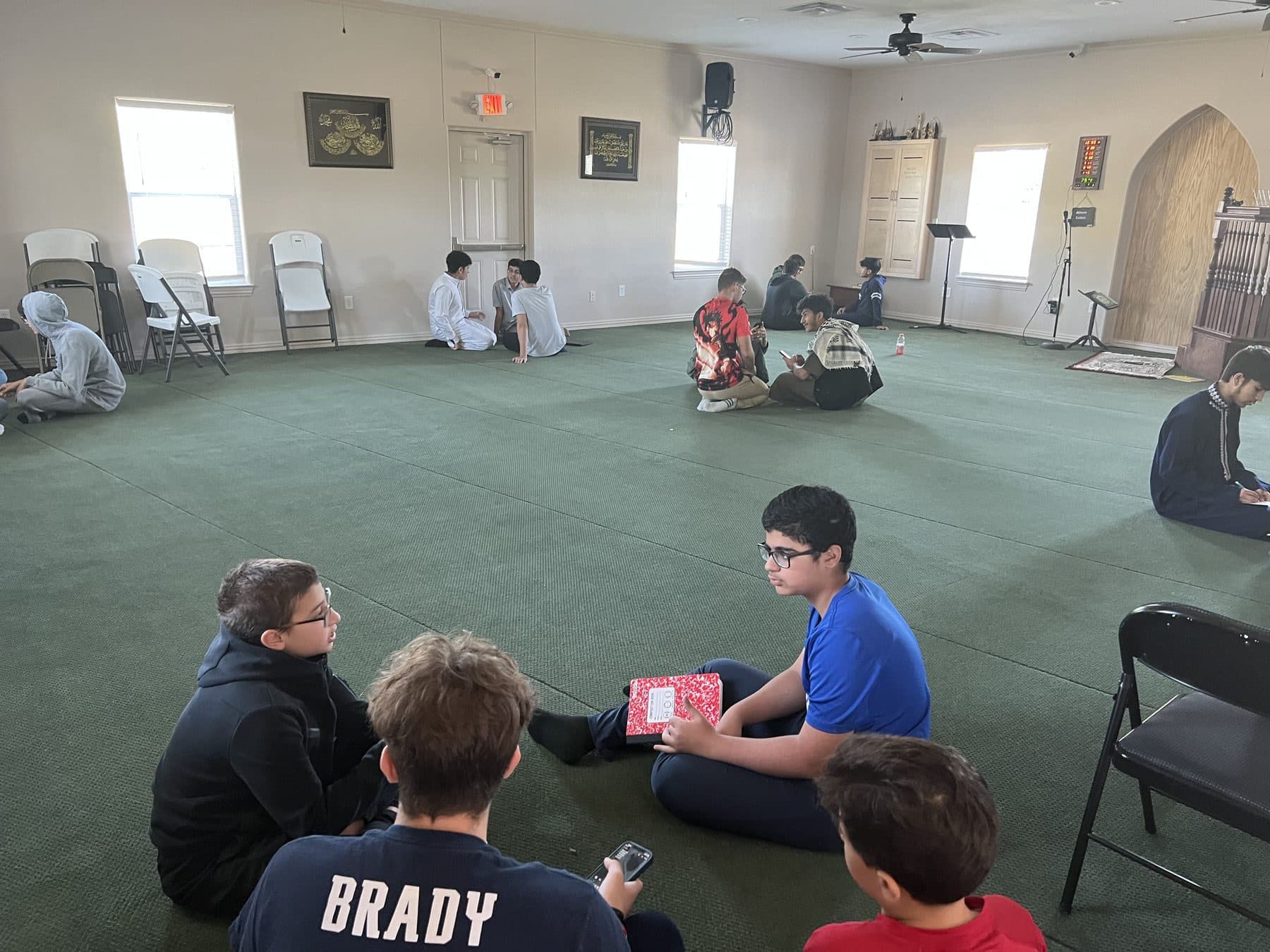
The circle, in the hall
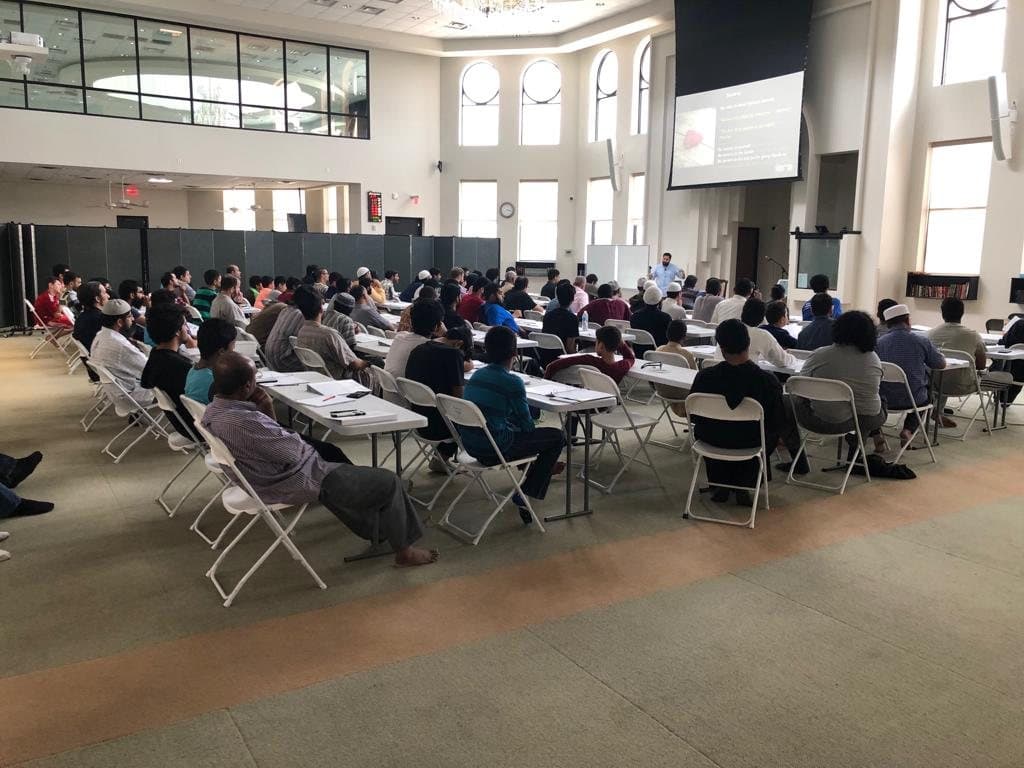
EPIC Masjid · Workshop, 2019
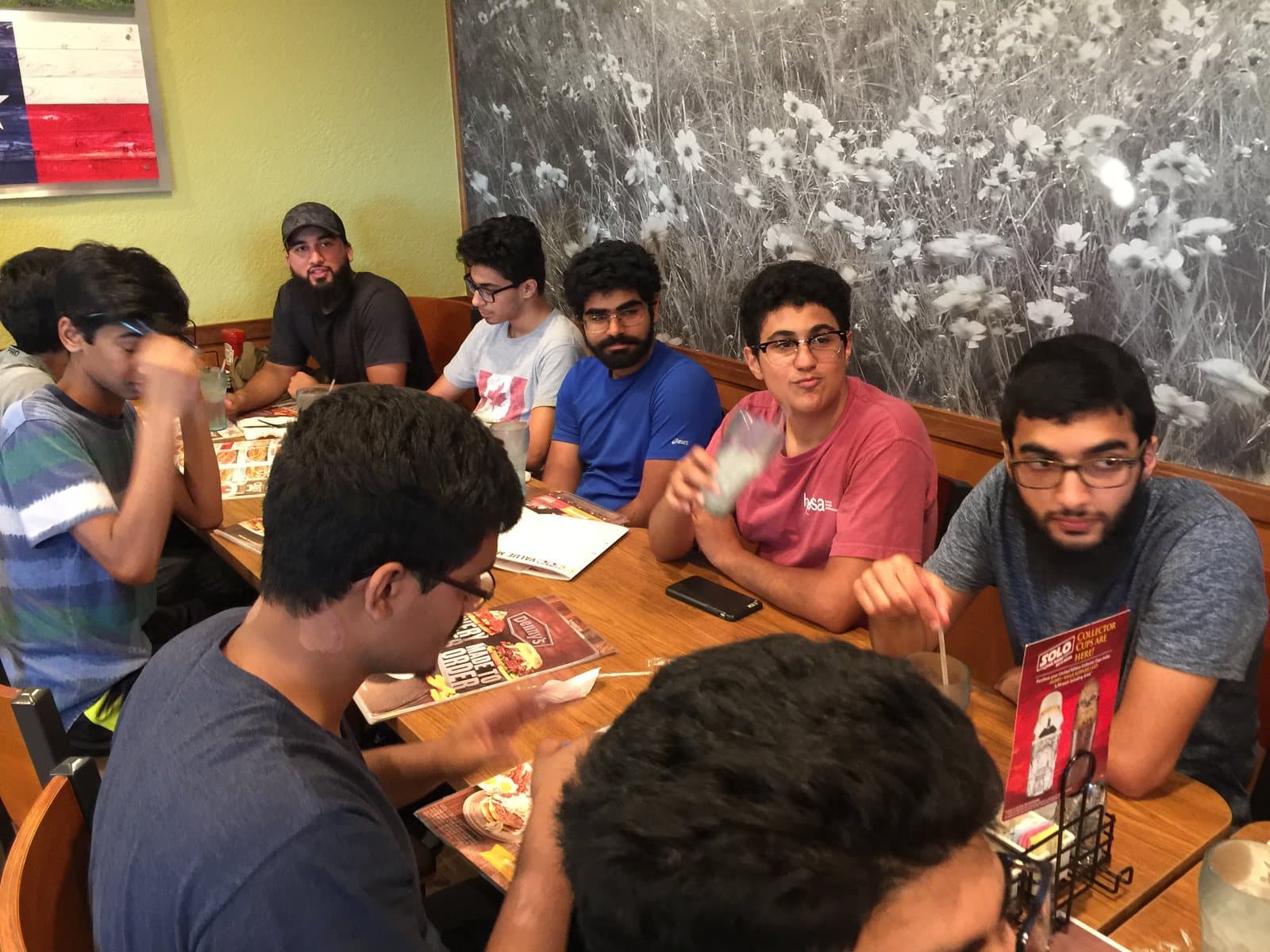
EPIC Masjid · 2019
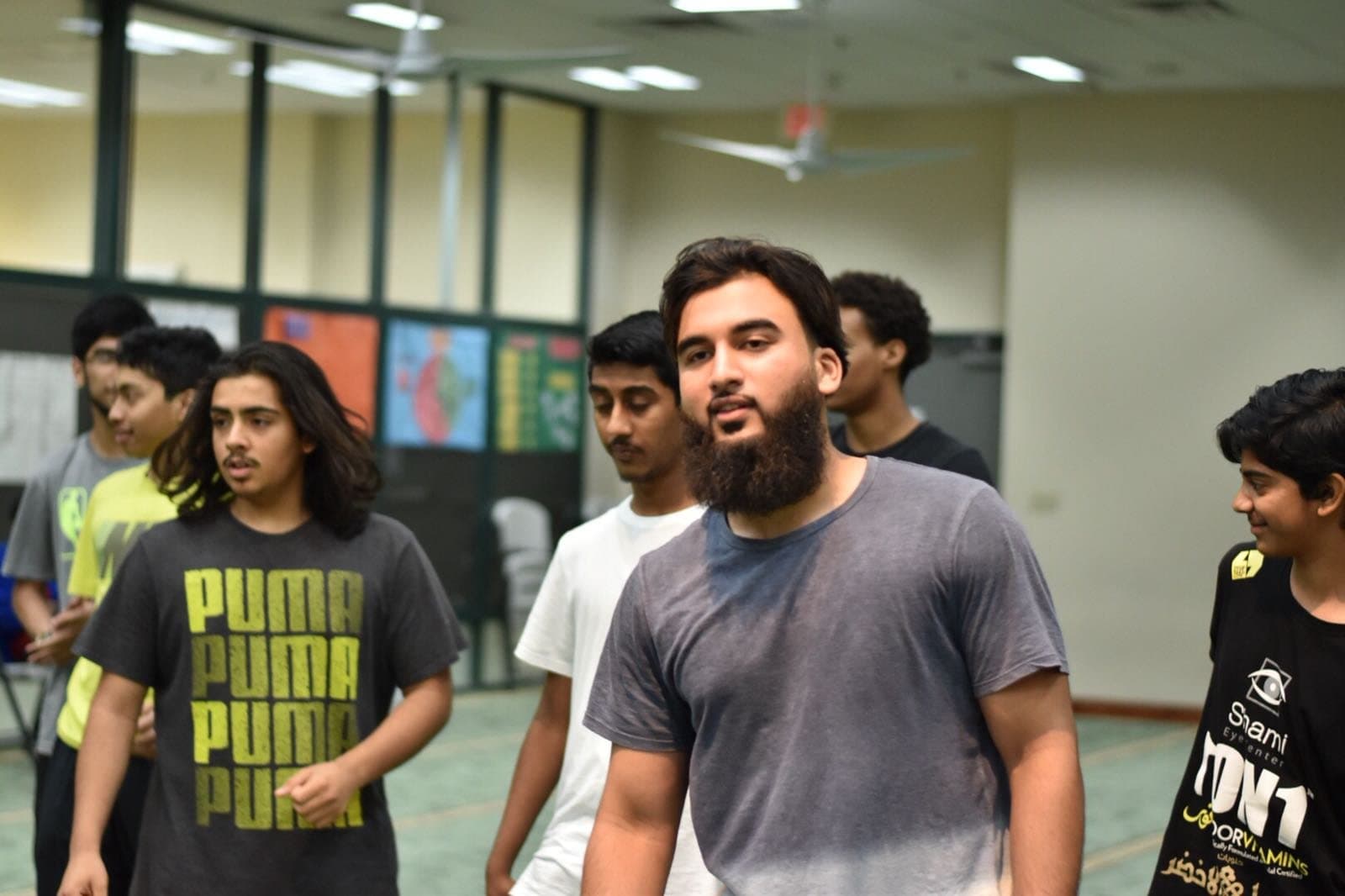
Youth Halaqah · 2019
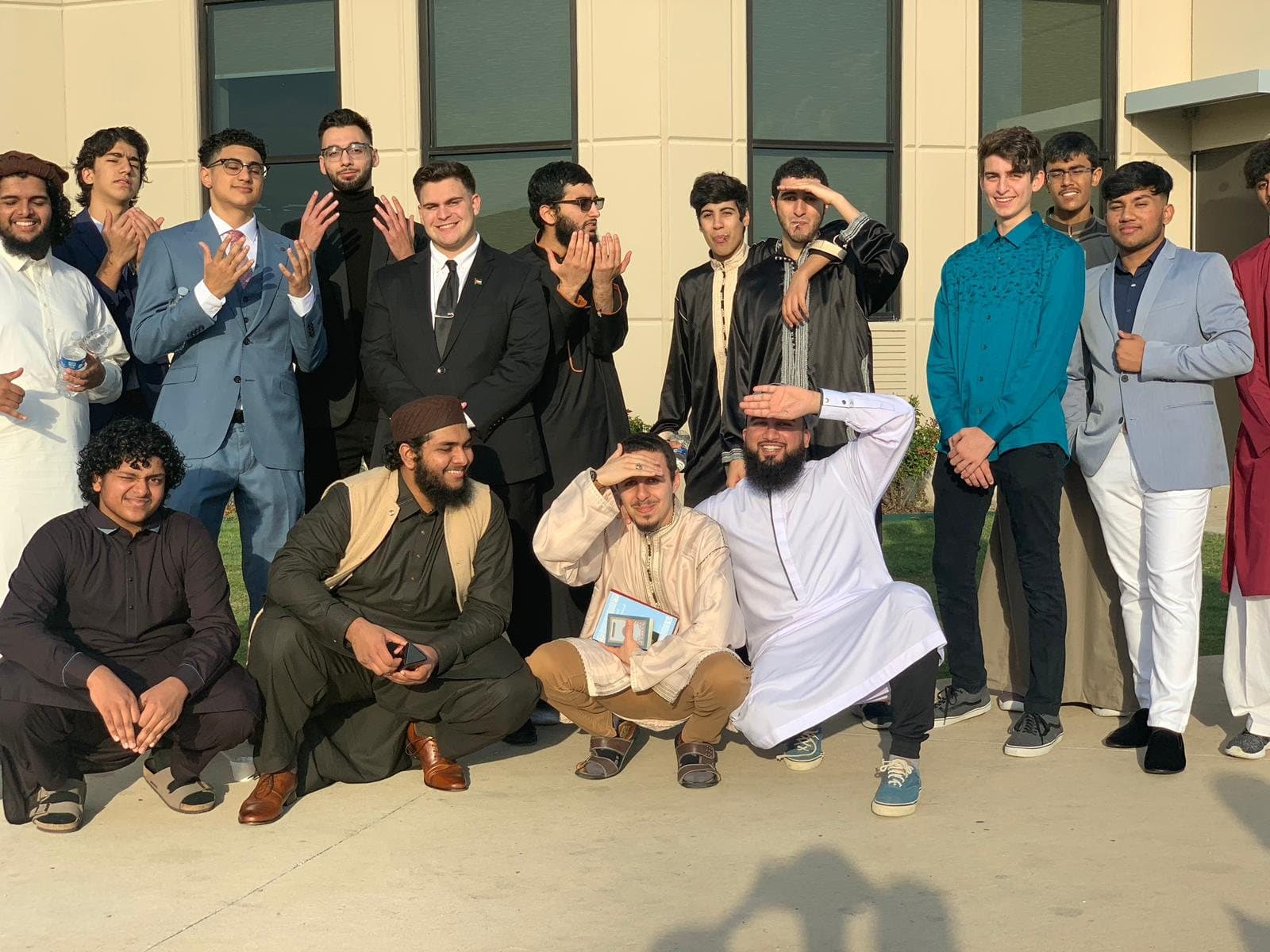
EPIC Masjid · Eid, 2020
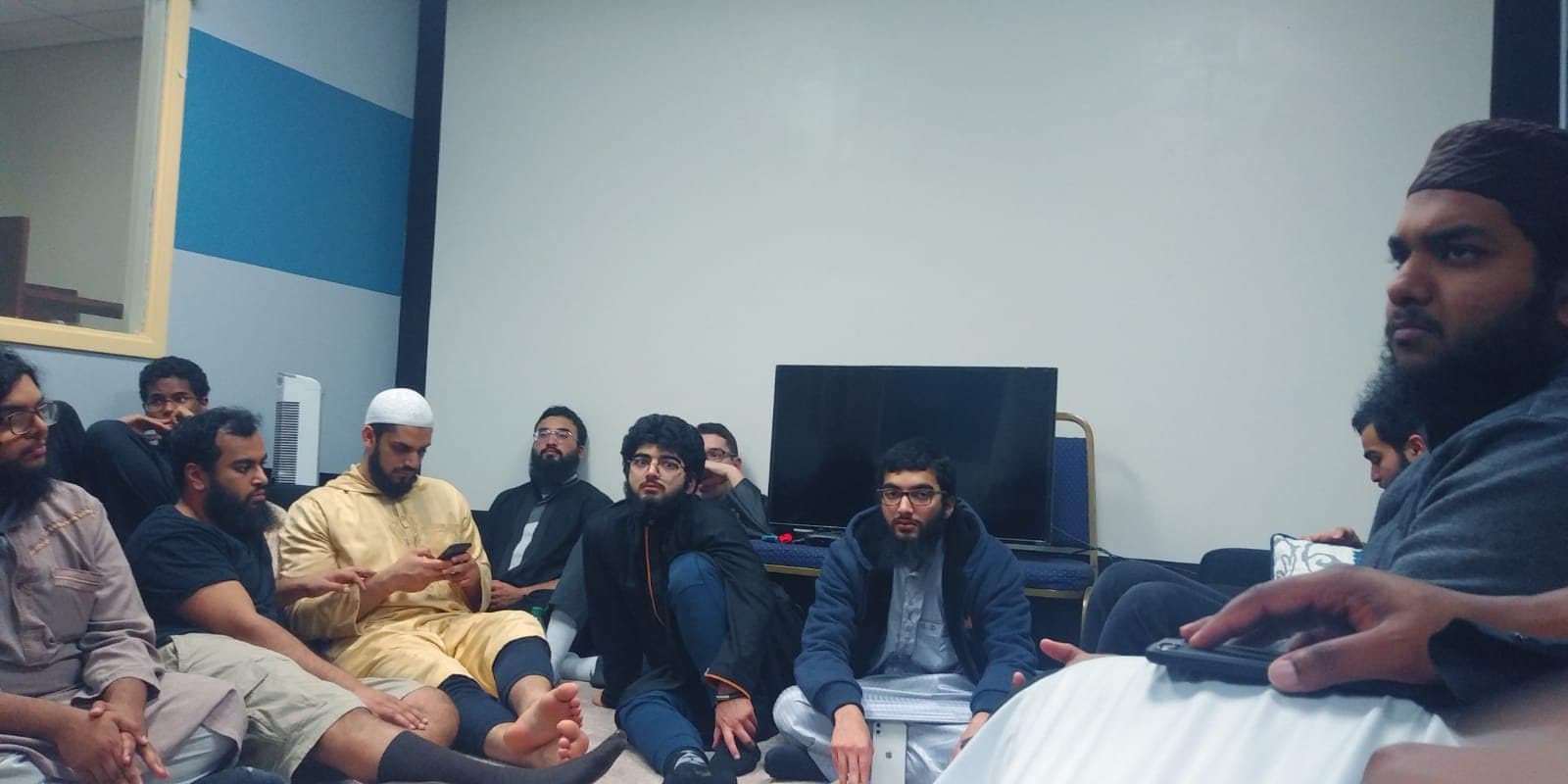
Richardson · 2020
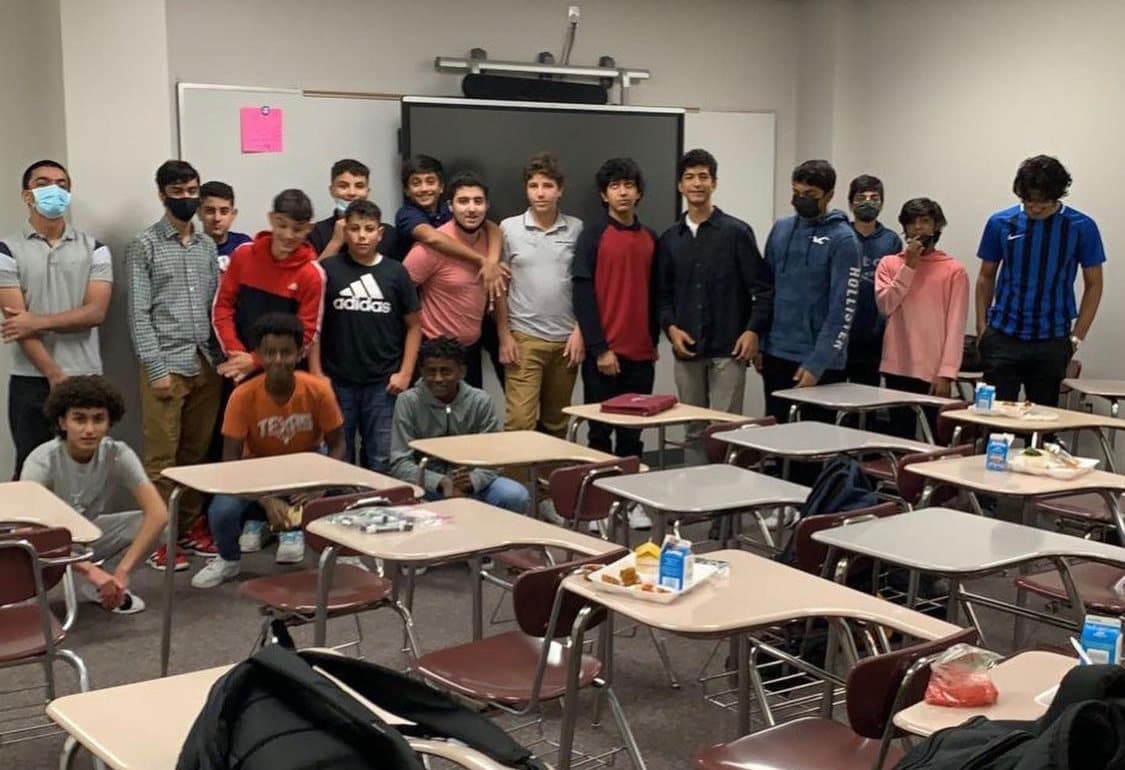
Wylie · 2021
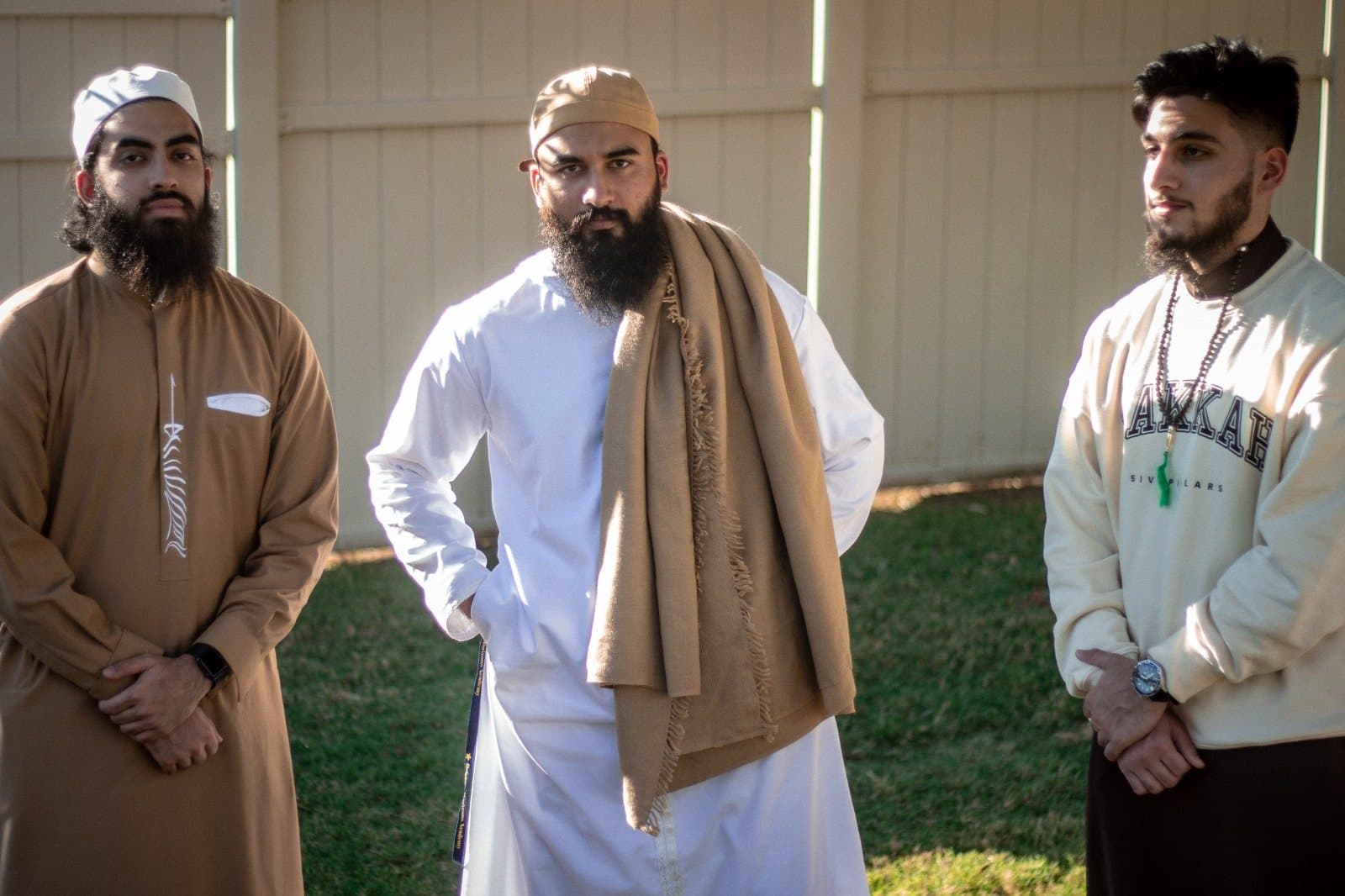
Plano · 2021
The Model Takes Shape
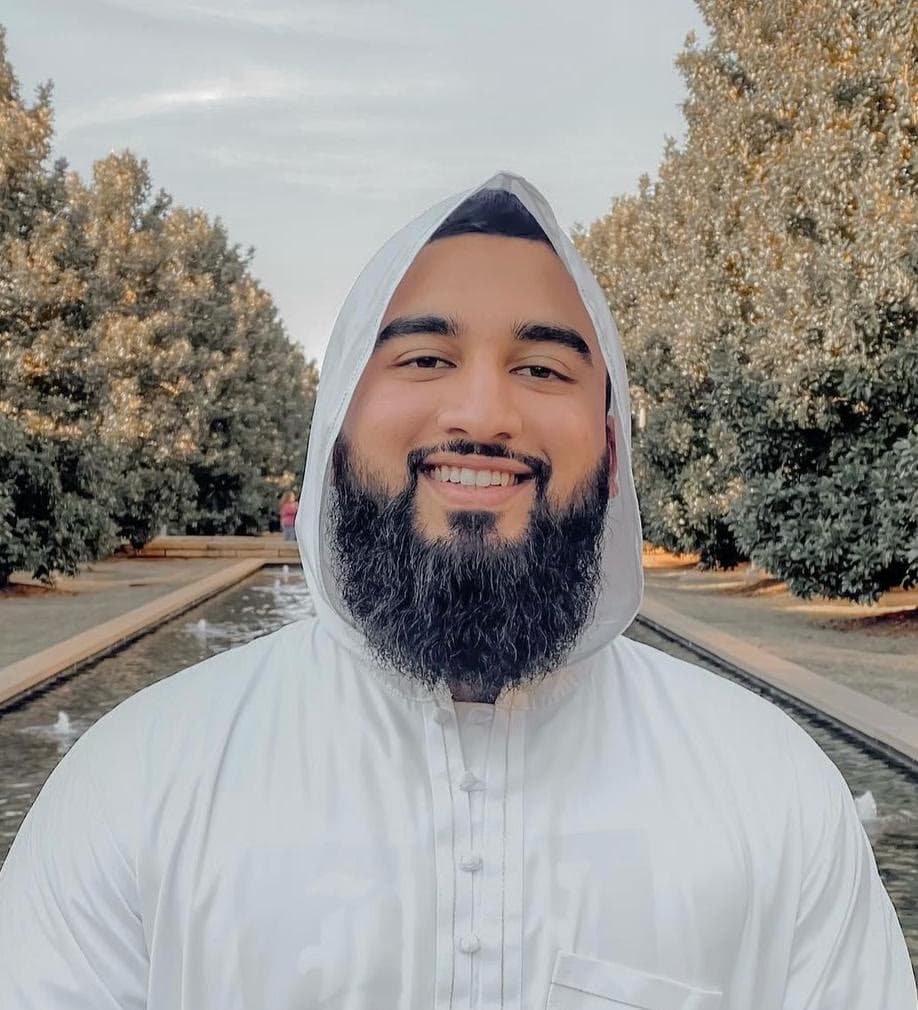
UT Dallas MSA · 2019
At twenty I hit a fork I hadn’t expected. I’d been pointed toward dental school, then medical school, the way ambitious kids from strong Muslim families often are. But somewhere in that year I realized the question I actually wanted to spend my life answering wasn’t a medical one. It was how faith actually gets transmitted to a young person, not just taught, but made beautiful enough that they’d choose to carry it forward themselves. I chose Islamic studies, and more specifically its educational theory. My family’s confusion was gentle. It was also real.
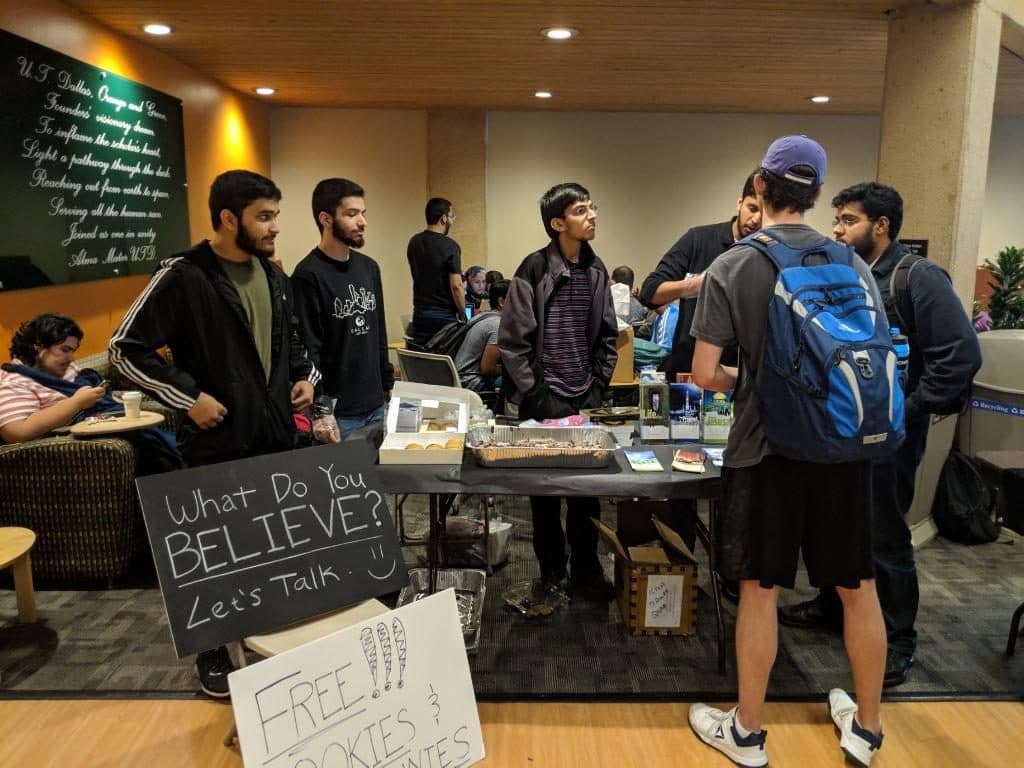
At the University of Texas at Dallas, the same instinct that had found me on a staircase found me again almost immediately. Zeeshan Parupia, then the MSA president, asked me to join the board and lead outreach. Within two weeks the committee was the most active on campus. We built two of the largest events the MSA had ever run, including the biggest Muslim–Christian dialogue the university had seen: a folding table in the student union with a sign that just asked, plainly, what do you believe? let’s talk. A dozen or so conversions came out of those two years, and I’m grateful for every one by Allah’s grace. But the deeper shift was quieter: students who’d never imagined themselves capable of leading, speaking, or inviting began to see themselves that way.
After graduating with a neuroscience degree, I kept teaching everywhere that would have me, designing and running courses since I was eighteen. Ustadh Isa, one of the mentors I trusted most, told me plainly to go teach full-time at Brighter Horizons Academy, one of the largest Islamic schools in the country. I did, for a season, before the requests outpaced what one school day could hold. So I enrolled at Bayan Islamic Graduate School for a master’s in Islamic education. There, with teachers and peers who shared the same restlessness, we founded The Preservers, built to develop young ambassadors of Islam.
It began as a Qur’an program with a leadership component. It didn’t stay small. What grew alongside it, informally at first and then with structure, was a youth-mentorship model I’d been building since before it had a name: Ihsan Circle. At its peak we were running six circles between three mentors, more than seventy students a week, each one built around the same core: a direct mentor, a real relationship with parents, a tie to the masjid, an education that didn’t end when the class did. The living room had become a structure that could hold weight.
6
Circles Running at Once
3
Mentors
70+
Students Served Weekly
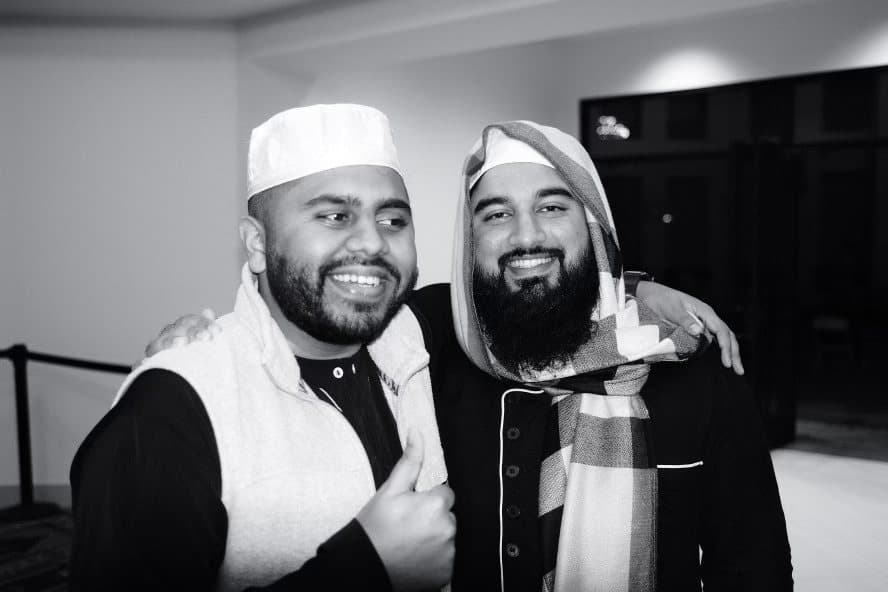
Rooting the Work Deeper
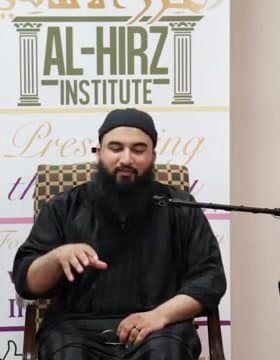
Teaching, Al-Hirz Institute
The master’s degree had given the model its educational theory: how young people actually learn, how formation differs from instruction. But a structure built to carry sacred knowledge cannot stand on pedagogy alone. If Ihsan Circle was going to be worth a family’s trust for decades and not just a season, it had to be rooted in the tradition itself: the Islamic sciences taken in full, under scholars, in the unbroken chain that has always carried them. Dallas was thriving, which made the decision harder and clearer at once. Saying goodbye to boys taught for years, the work moved to Chicago: three years of full-time study at Darul Qasim College. Not a step away from Ihsan Circle but a step beneath it, to pour the foundation it still needed.
For the first months the distance felt like abandonment. It wasn’t. Even through full-time study the work refused to pause: teaching online with Kitaab Academy and Itqaan Institute, in person with Monarch Academy, privately with families searching for something more sustained than a weekly class. The model kept running quietly while its foundations were being laid deeper.
If anything, Chicago made the gap clearer, not smaller. A city this rich in scholarship still had young people falling through the seams: masajid with classes but no companionship, scholars with no youth pathway to the next generation, information everywhere and almost no mentor close enough to actually walk beside anyone. The absence Ihsan Circle exists to answer was not a Dallas problem. It was everywhere.
Full Circle
After three years in Chicago, I understood that Ihsan Circle had never ended. It had only been waiting for more clarity, more patience, a version of itself that could hold more than one city at a time.
The students wanted more than a class. The families wanted more than a program. The masajid needed more than occasional programming between Ramadans. What they needed was refinement: the slow, unglamorous work of forming a heart, not merely informing a mind. That work has never once been optional.
So Ihsan Circle returned. Not a rerun of Dallas, but a structure built deliberately this time, for a need that had never gone away.
And there is one more thing this structure is for. Everything I know about this work, I learned by circumstance: by staying with students, making mistakes, seeking guidance, and coming back. Ihsan Circle exists to make that formation deliberate: students of knowledge learning to teach, mentor, and lead under real supervision, before a community asks them to carry it alone.
What began without a name has a structure now. And by Allah’s grace it is being built for every student, family, teacher, and community still searching for something more than a class.
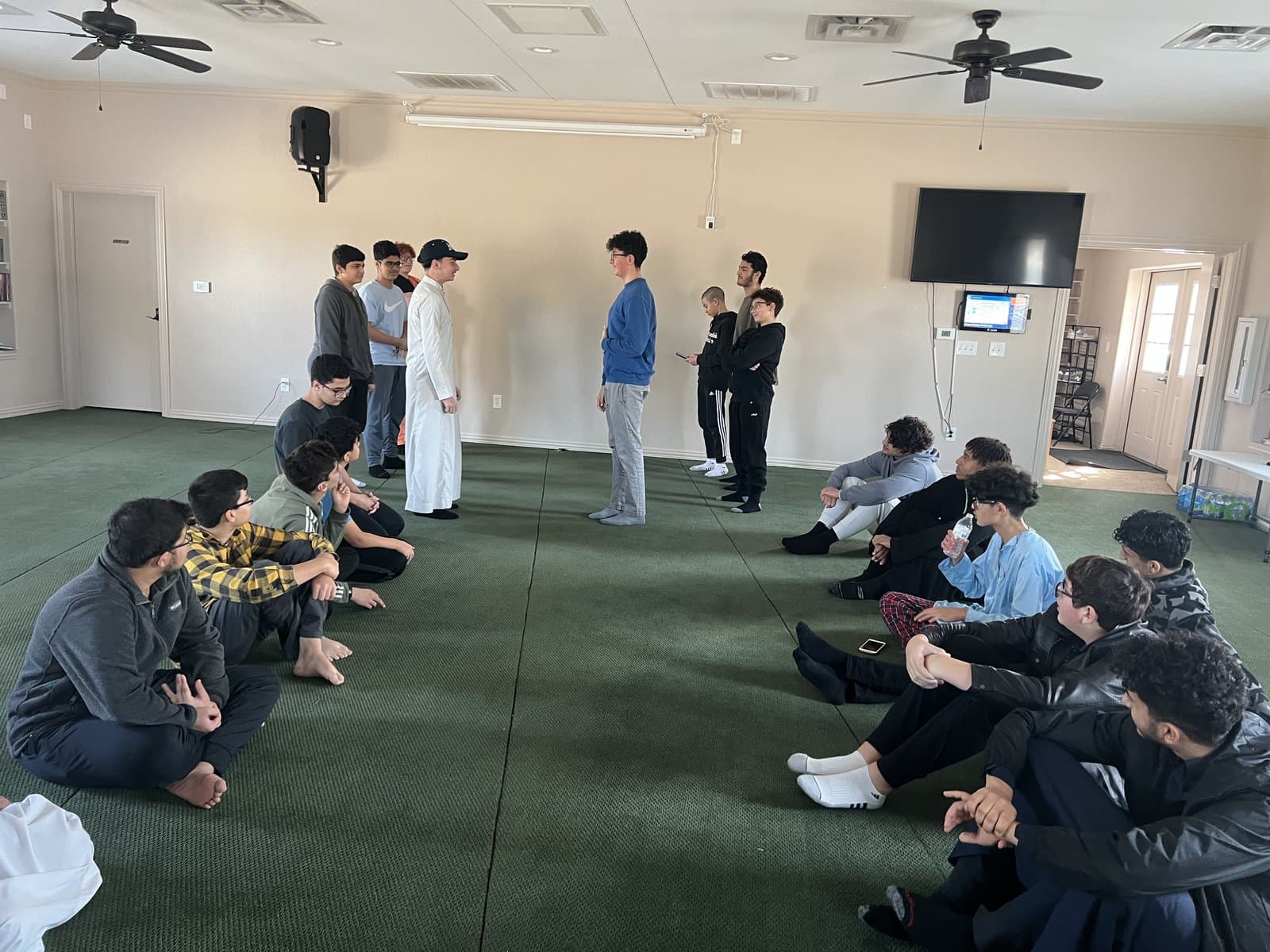
Sachse · 2022
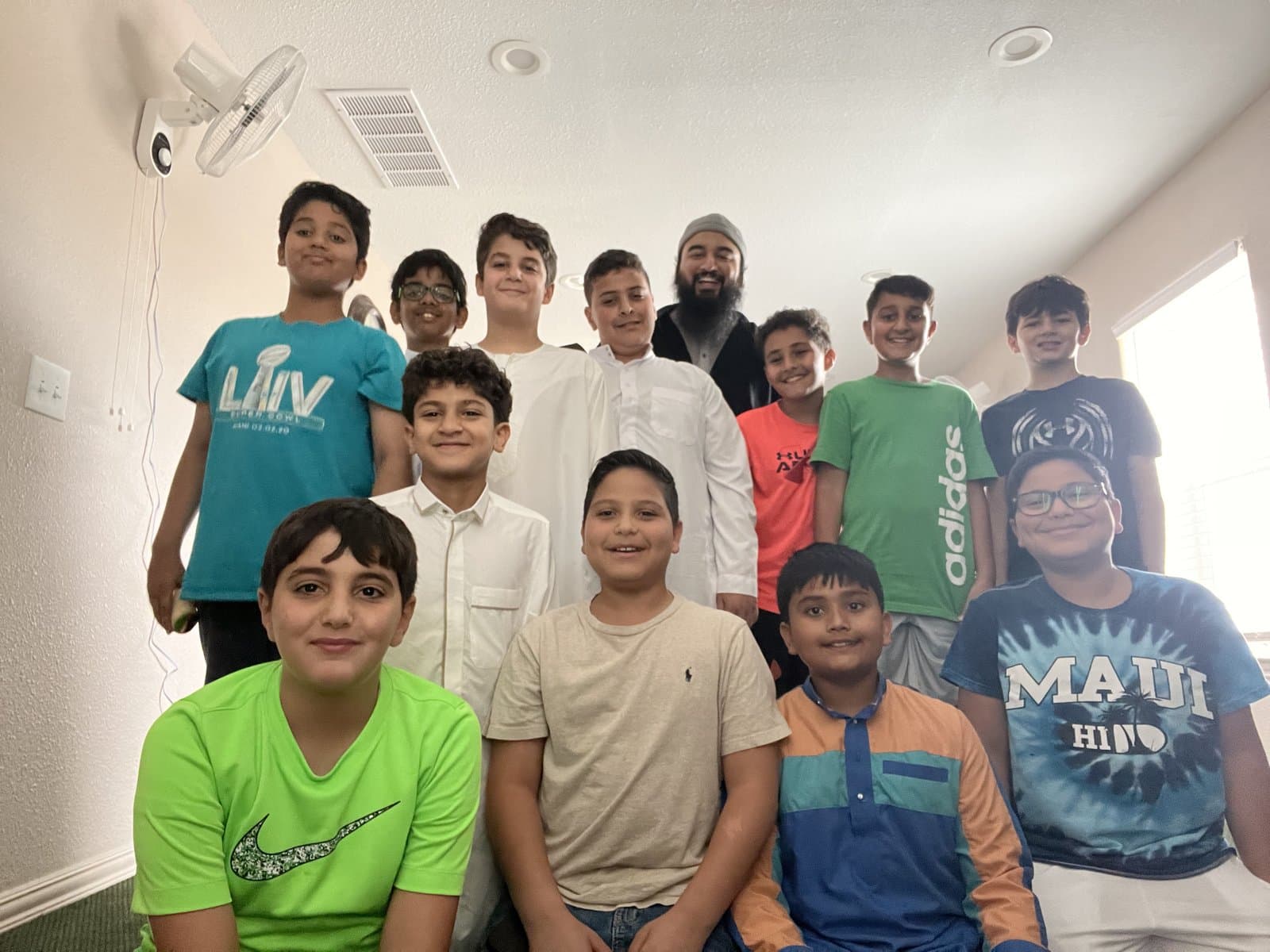
Study Circle · 2023
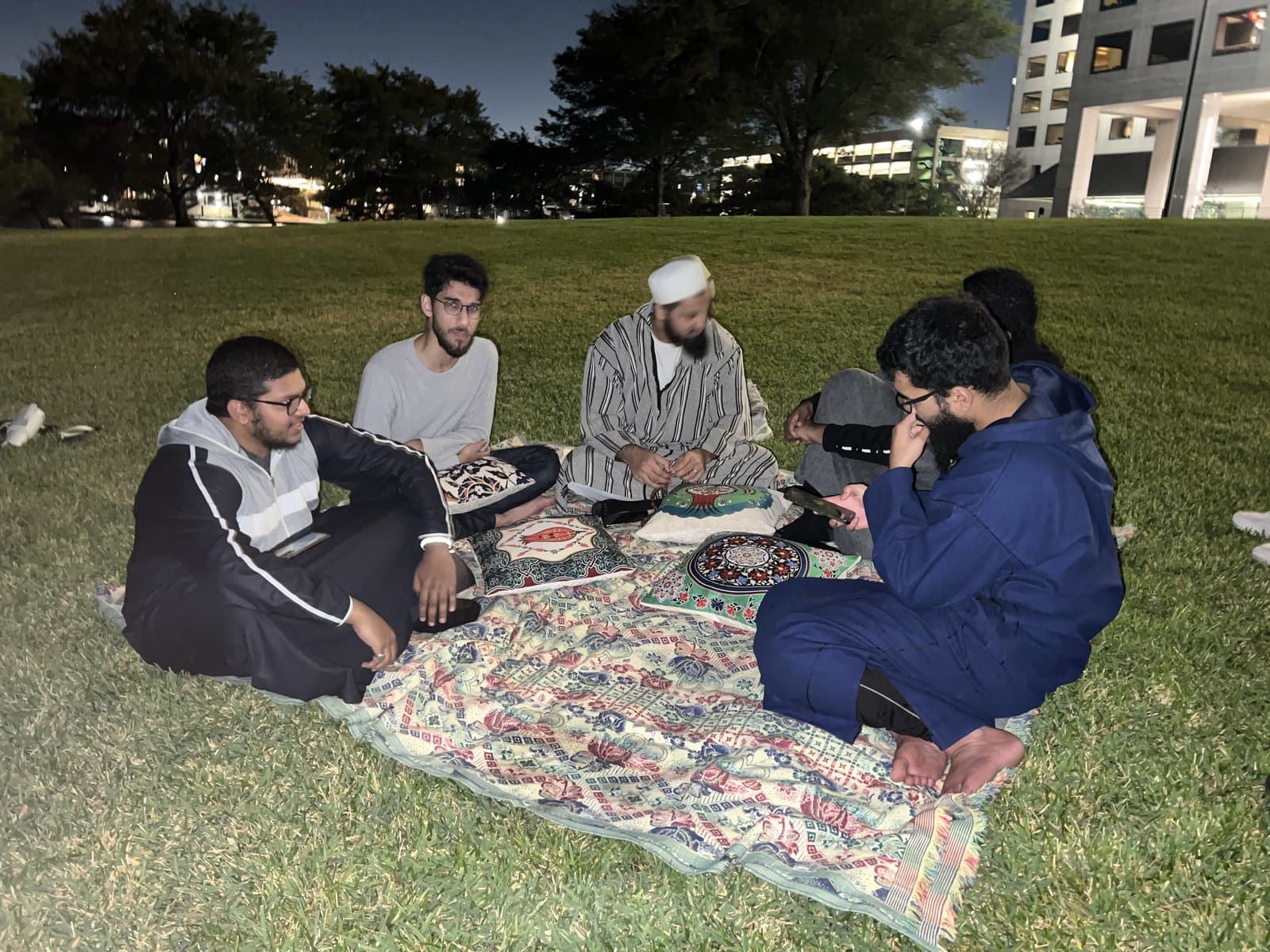
Late Night · 2023
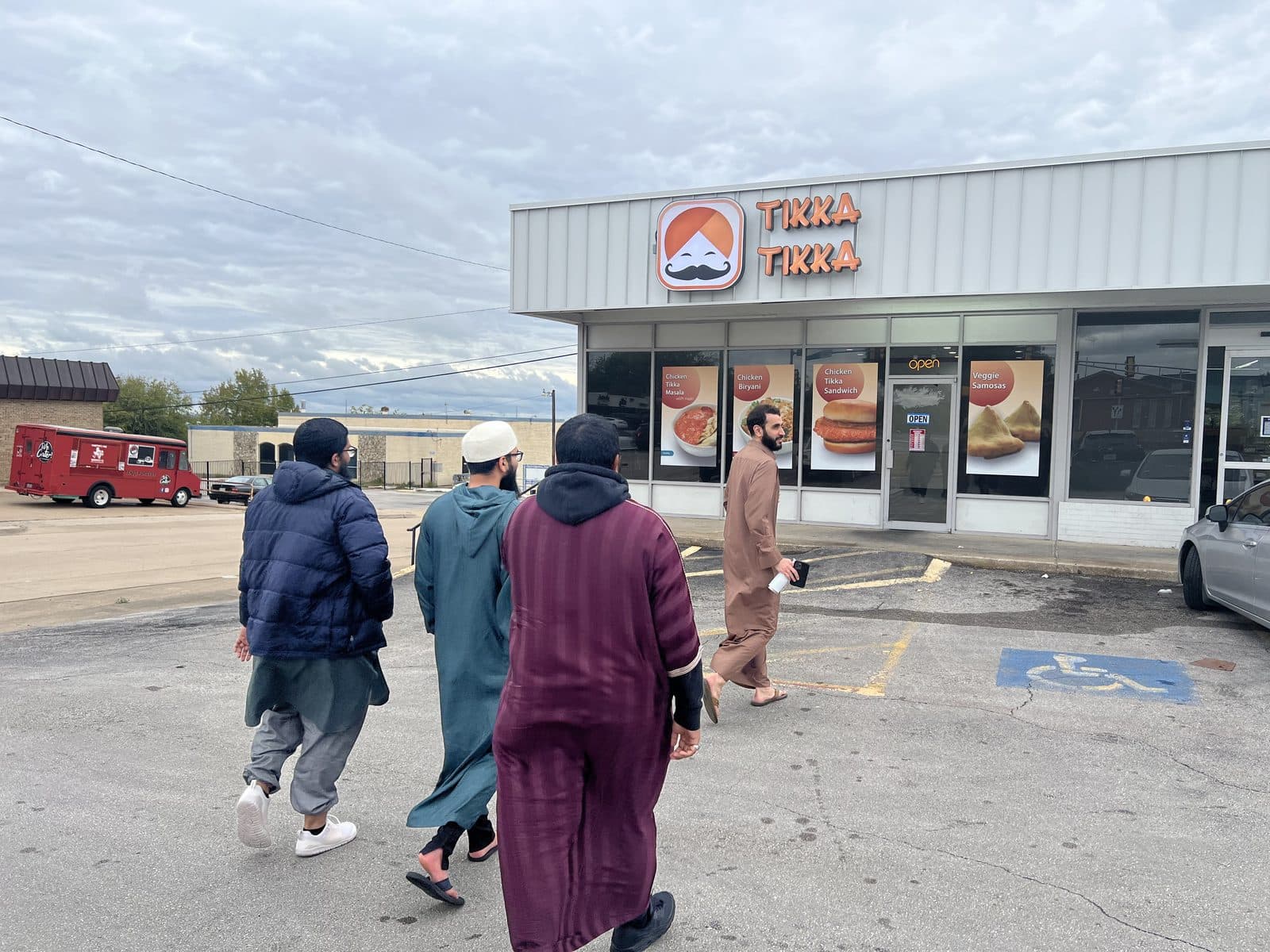
Together again · Dallas
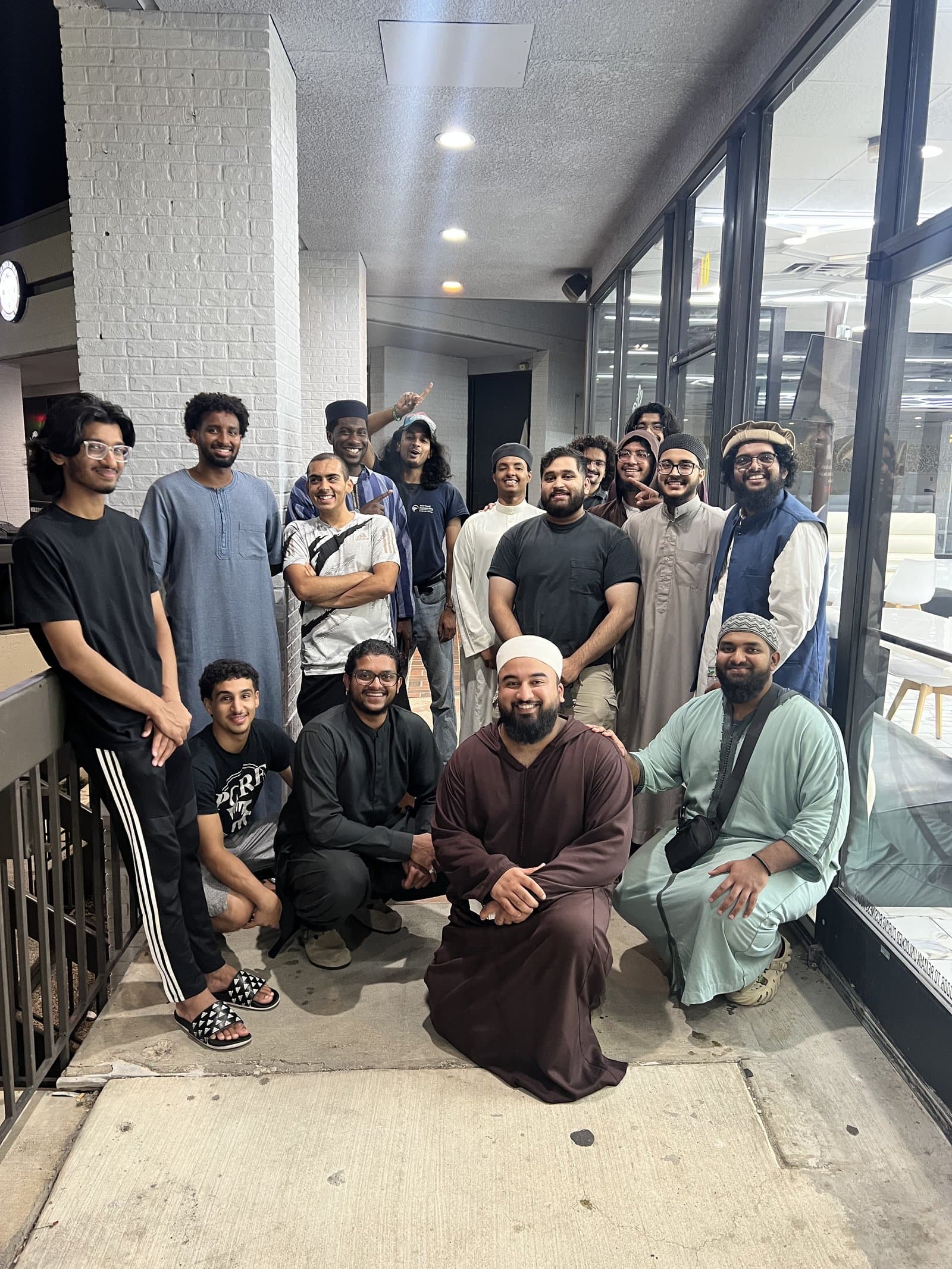
Richardson · 2025
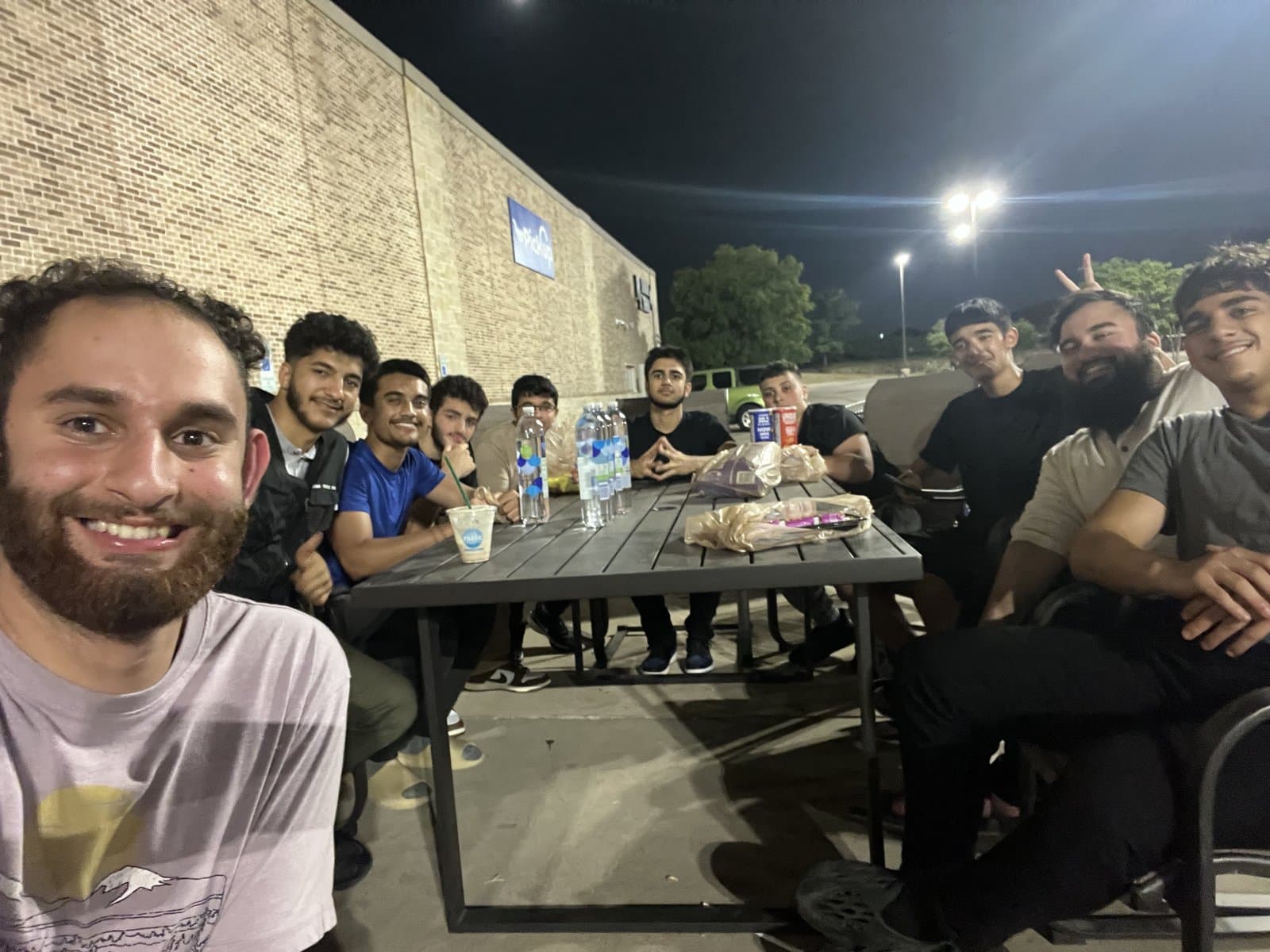
Reunion · 2025
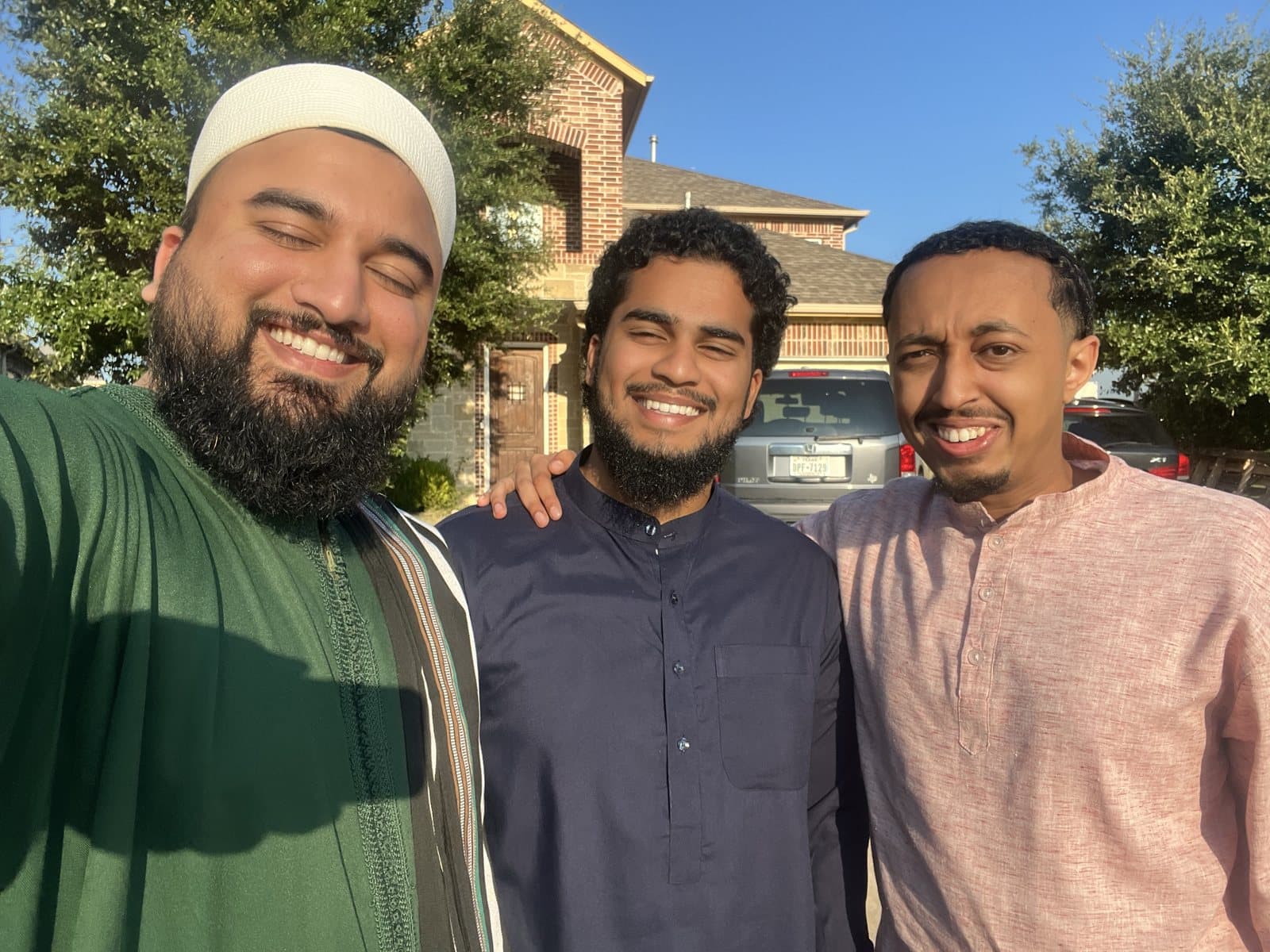
2025
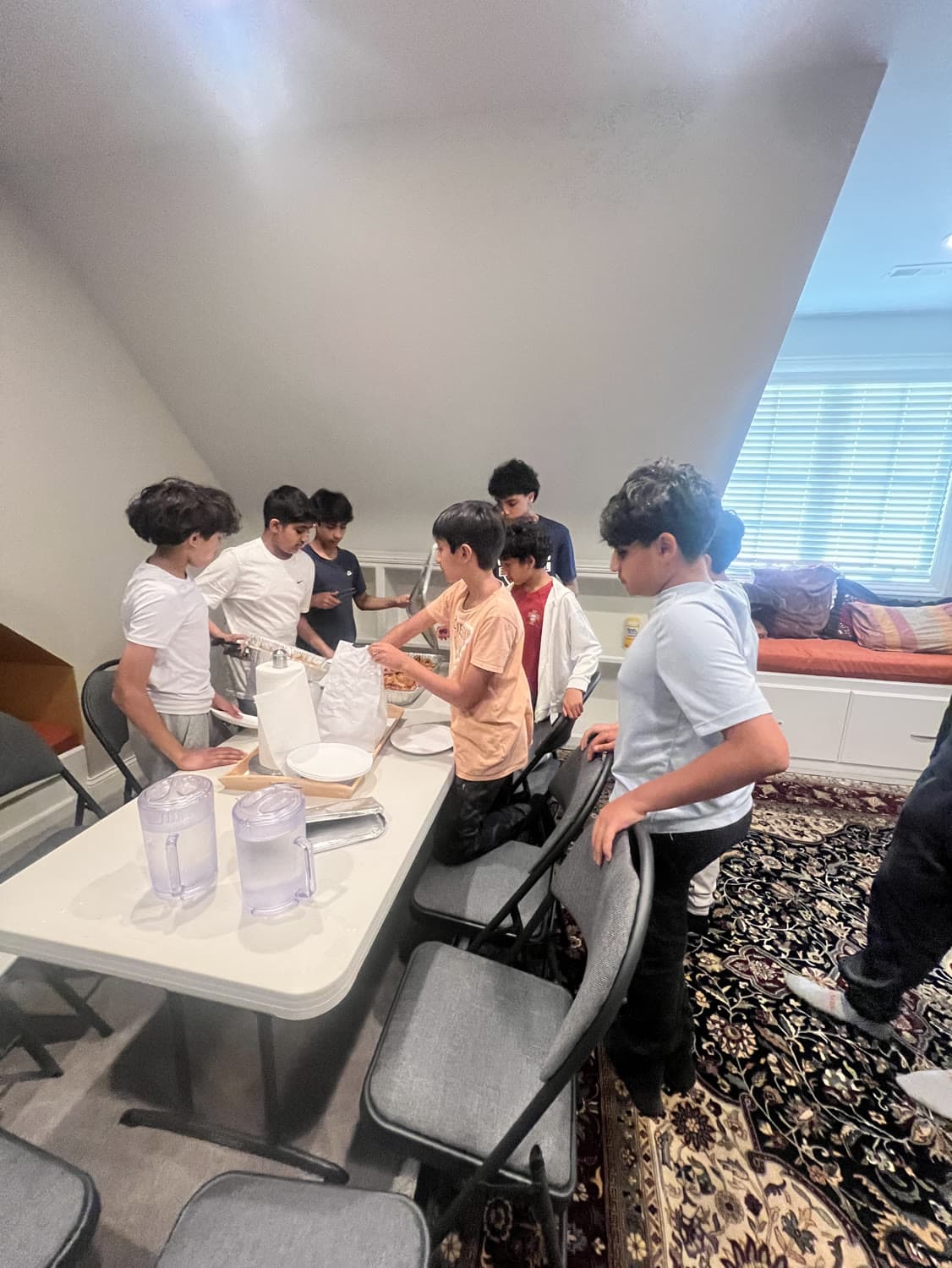
Chicago · 2025
Where the Circle Widens · عودة
Five ways in, one way of working
Not sure which fits? Get in touch and we’ll help you find the right next step.